Phone


-
-
E-Mail
info@hamidiyeveteriner.com
-
Address
Hamidiye Mah. Fazilet Cd No:7A Kağıthane/İstanbul
When Should Cats and Dogs Receive Parasite Prevention Treatments?
Contact us via Whatsapp
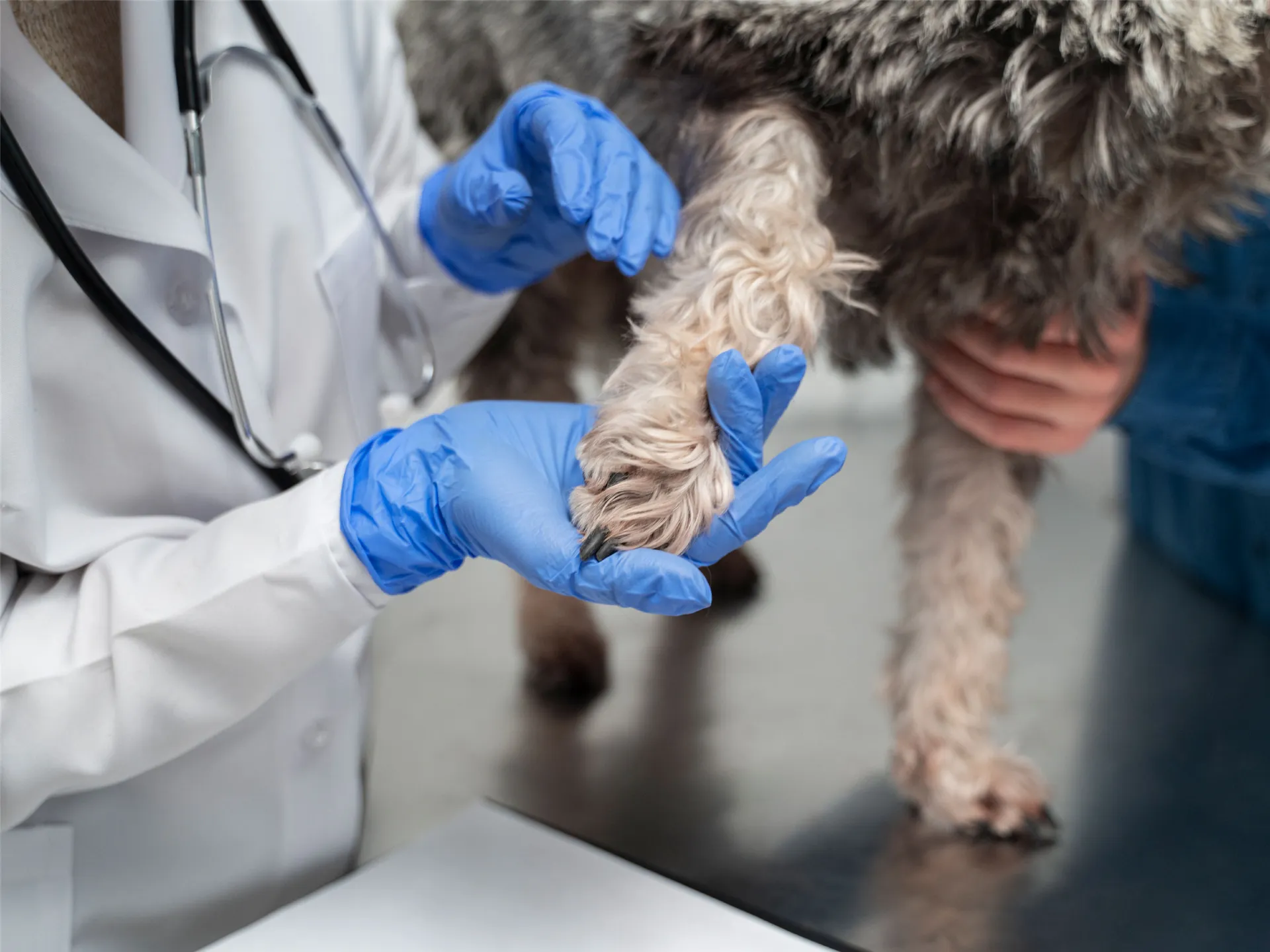
When Should Cats and Dogs Receive Parasite Prevention Treatments?
Internal and external parasites are among the most common health threats affecting cats and dogs. Besides reducing your pet's quality of life, parasites can lead to serious illnesses and, in some cases, pose risks to human health. For this reason, routine parasite prevention is an essential part of preventive veterinary care.
Internal parasites primarily affect the digestive system but may also impact other organs. Common signs include loss of appetite, weight loss, vomiting, diarrhea, and poor growth. Puppies and kittens are especially vulnerable, making regular parasite prevention particularly important during the early stages of life.
External parasites such as fleas, ticks, and lice can cause itching, skin irritation, allergic reactions, and may transmit various diseases. Consistent flea and tick prevention significantly reduces these risks and helps keep your pet healthy and comfortable.
The frequency of parasite prevention depends on factors such as your pet's age, lifestyle, outdoor exposure, and overall health. Pets that spend time outdoors generally require more consistent protection, while indoor pets should still follow the preventive schedule recommended by their veterinarian.
At Hamidiye Veterinary Clinic, we create customized internal and external parasite prevention programs based on each pet's individual needs. Our goal is to provide year-round protection and help prevent parasite-related diseases before they occur.
It is important to remember that prevention is far more effective than treatment. Regular veterinary examinations combined with timely parasite prevention not only protect your pets but also contribute to the health and safety of your entire family.